

Sterilisation vs Pasteurisation in Mushroom Cultivation

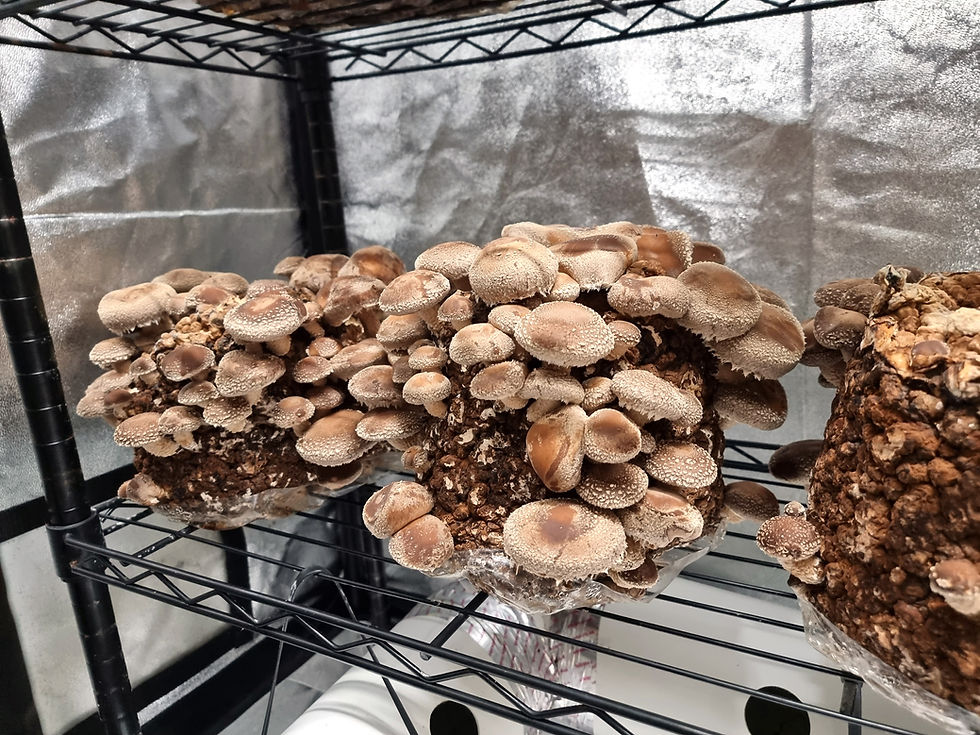
Preparing a clean, balanced growing environment is one of the most important parts of mushroom cultivation. Two key methods used by growers are sterilisation and pasteurisation.
While both aim to control unwanted microorganisms, they work in different ways and are used in different situations.
Understanding the difference between these methods can help you choose the right approach for your setup, whether you are growing at home or looking to scale up production.
What This Article is About
This article explains the difference between sterilisation and pasteurisation in mushroom cultivation, when each method is used, and how they affect contamination risk, yield and ease of growing.
What is Sterilisation in Mushroom Cultivation
Sterilisation is the process of completely eliminating all microorganisms from a substrate. This includes bacteria, mould spores and competing fungi.
Growers typically sterilise substrate using high heat under pressure, often with a pressure cooker or autoclave. The goal is to create a fully clean environment so that only the desired mushroom mycelium can grow.
Sterilisation is most commonly used for nutrient-rich substrates, such as supplemented sawdust mixes. These substrates provide ideal conditions for mushroom growth, but they also create an environment where contaminants can thrive if not properly treated.
What is Pasteurisation in Mushroom Cultivation?
Pasteurisation is a milder process that reduces the number of harmful microorganisms rather than eliminating them completely.
This is usually done by heating the substrate to a lower temperature for a longer period. The aim is to kill off the most aggressive competitors while leaving behind some beneficial microbes that can help stabilise the growing environment.
Pasteurisation is commonly used for substrates like straw. These materials are less nutrient-dense than supplemented mixes, so they do not require full sterilisation to be effective.
By reducing rather than removing microbial life, pasteurisation can create a more balanced environment that still supports healthy mushroom growth.
Key Differences Between Sterilisation and Pasteurisation
The main difference between these two methods is the level of microbial control.
Sterilisation removes all living organisms from the substrate. This creates a completely clean starting point but requires careful handling afterwards to avoid reintroducing contamination.
Pasteurisation reduces microbial competition without fully eliminating it. This makes the process more forgiving and often easier to manage in less controlled environments.
Another difference is the equipment required. Sterilisation typically needs specialised equipment capable of reaching higher temperatures and pressure. Pasteurisation can often be done with simpler setups, such as hot water baths or steam.
When Growers Use Sterilisation
Sterilisation is usually chosen when working with nutrient-rich substrates.
For example, mixes that include hardwood sawdust and supplements provide excellent conditions for mushroom growth, but they also increase the risk of contamination. In these cases, full sterilisation is necessary to protect the substrate.
This method is commonly used in controlled environments where growers can maintain strict hygiene throughout the process. It is especially important when using grain spawn or working with species that require highly consistent conditions.
Because of the precision involved, sterilisation is more often used by experienced growers or in commercial setups.
When Growers Use Pasteurisation
Pasteurisation is often used for simpler growing methods.
It is particularly common with straw-based substrates, which are widely used for oyster mushrooms. These substrates are less prone to contamination and can perform well without complete sterilisation.
For home growers, pasteurisation is often the more accessible option. It requires less specialised equipment and can be carried out with basic tools.
This makes it a good starting point for anyone new to mushroom cultivation.
Which Method is Better For Beginners
For most beginners, pasteurisation is the easier method to start with.
It is more forgiving and does not require the same level of precision as sterilisation. This reduces the risk of failure and makes the process more approachable.
Sterilisation, while highly effective, requires strict cleanliness and careful handling. Without these, contamination can occur quickly, which can be discouraging for new growers.
Many growers begin with pasteurised substrates and move on to sterilised systems as they gain experience and confidence.
How Each Method Affects Yield and Quality
Both sterilisation and pasteurisation can produce excellent results when used correctly.
Sterilised substrates often support faster colonisation and higher yields because there is no competition from other microorganisms. This can lead to more consistent production, especially in controlled environments.
Pasteurised substrates may colonise slightly more slowly, but they can still produce strong, healthy mushrooms. In some cases, the presence of beneficial microbes can help support a stable growing environment.
The overall quality of the mushrooms depends on a combination of factors, including substrate choice, environmental conditions and ongoing care.
Common Mistakes When Treating Substrate
One of the most common mistakes is not reaching the correct temperature during sterilisation or pasteurisation. If the substrate is not properly treated, contaminants can survive and affect the grow.
Another issue is poor handling after treatment. Even a fully sterilised substrate can become contaminated if exposed to unclean conditions.
Incorrect moisture levels can also cause problems. Substrate should be properly hydrated before treatment to ensure effective heat penetration.
Maintaining cleanliness and consistency throughout the process is key to avoiding these issues.
Common Mistakes When Working With Spawn
One of the most common mistakes is poor hygiene. Both grain spawn and substrate spawn require clean handling to avoid contamination.
Another issue is using too little spawn. This can slow colonisation and increase the risk of competing organisms taking over.
Environmental conditions are also critical. Without sufficient fresh air, stable temperatures and proper moisture levels, even the best spawn will struggle to perform.
Why Understanding the Difference Matters
Knowing when to use sterilisation or pasteurisation gives you more control over your growing process.
It allows you to match your method to your materials, environment and level of experience. This can improve success rates and help you achieve more consistent results.
As you gain experience, understanding these differences will also make it easier to troubleshoot problems and refine your approach.
Why You Can Trust Us
Merit Mushrooms works directly with mushroom cultivation and understands the practical steps involved in preparing substrate and managing growing conditions. The focus is on clear, reliable guidance based on real experience.
With the right approach, both methods can support successful and rewarding mushroom growing!


Comments