

How to Reuse Spent Mushroom Substrate after Harvesting


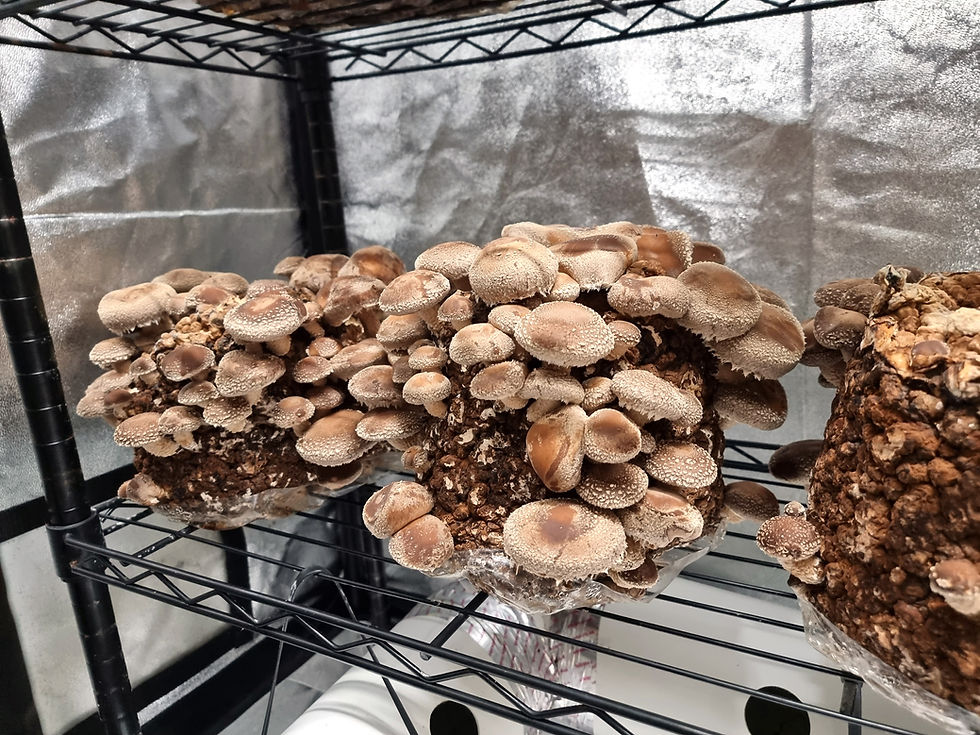
Growing mushrooms at home is exciting because the process does not end the moment you harvest your first crop. After your mushrooms have been picked, you are left with the growing block, bag or substrate that supported the mycelium. This is often called spent mushroom substrate.
It may look as though the kit has finished, but that does not always mean it has no further use. Depending on the condition of the substrate, how well it has been cared for and the environment it has been kept in, there may still be ways to get value from it.
Spent mushroom substrate can sometimes support another flush of mushrooms. It can also be composted, added to outdoor growing areas or reused as part of a more sustainable food-growing routine. The key is knowing what is realistic, what is safe and when it is time to let the substrate move on to its next purpose.
What This Article is About
This guide explains what spent mushroom substrate is, what you can do with it after harvesting and how to reuse it responsibly.
What is spent mushroom substrate?
Spent mushroom substrate is the material left behind after mushrooms have grown and been harvested. It contains the food source the mushroom mycelium has used during growth. Depending on the mushroom variety and growing method, the substrate may include natural materials such as straw, sawdust or other suitable growing matter. The mycelium grows through this material before producing mushrooms.
The word “spent” can be slightly misleading. It usually means the substrate has already produced a harvest, not that it is completely lifeless. There may still be active mycelium inside the block, especially if it has been kept moist and healthy.
The substrate will, however, gradually become less productive over time. Mushrooms use energy from the substrate to grow. After each harvest, there is less available nutrition left to support another flush.
Try for another flush first
Before reusing spent mushroom substrate elsewhere, it is usually worth giving it the chance to produce again, if it still looks healthy. Many mushroom kits can produce more than one flush, although this depends on the care provided. After harvesting, continue misting the kit. Misting should not stop after the first mushrooms are picked. Moisture is still important after harvest because the mycelium may continue to work within the substrate.
Know when a substrate is finished
A spent substrate is usually ready to be reused or composted when it no longer produces mushrooms despite good care. Signs that the substrate may be finished include a lack of new pins, visible drying, shrinking, loss of firmness or no response after continued misting and fresh air.
It is important to use common sense. If the substrate smells unpleasant, looks slimy or shows heavy contamination, it should not be kept indoors. Healthy mushroom substrate should smell earthy or mushroom-like. A sour, rotten or strongly unpleasant smell is a sign that something is wrong.
Small visual changes after harvesting are normal, but heavy green, black or unusual mould growth should be treated with caution. Wear gloves if handling old substrate, especially if it has been sitting for a while.
Add spent substrate to compost
One of the simplest ways to reuse spent mushroom substrate is to compost it. This gives the material a useful second life after the growing process has finished. Spent substrate can help add structure and natural matter to a compost heap. It breaks down over time and can contribute to a richer compost mix when combined with other compostable materials.
To compost spent substrate, break it into smaller pieces and mix it through your compost heap or bin. This helps it break down more evenly. Avoid leaving it as one dense lump, as compacted material can take longer to decompose.
Composting is a practical option because it recognises that mushroom growing is part of a wider natural cycle. The substrate helped produce food, then it returns to the compost system rather than being thrown away.
Use it as a soil improver
Spent mushroom substrate can also be used outdoors as a soil improver once it has finished producing mushrooms. This is not the same as growing mushrooms indoors, which is unrelated to gardening. Instead, it is a way to reuse the leftover material after the mushroom-growing stage has ended.
You can crumble spent substrate around established outdoor plants or mix it lightly into garden soil. It may help improve soil structure and add natural matter as it breaks down. Use it sparingly at first, especially around delicate plants. Like any reused natural material, it is best introduced gradually rather than piled heavily in one area.
Make a small outdoor mushroom bed
If the substrate still looks healthy, you can try using it to create a small outdoor mushroom bed. This is a more experimental option, but some home growers enjoy seeing whether the remaining mycelium can continue in a new setting.
Choose a shaded, sheltered outdoor spot where the substrate will not dry out too quickly. Break the spent substrate into pieces and place it among suitable natural material such as woodchip or straw, depending on the mushroom type.
Keep expectations realistic. Outdoor conditions are far less controlled than indoor kit conditions. Weather, moisture, competing fungi and temperature can all affect what happens next.
This method may or may not produce more mushrooms. If it does, only eat mushrooms that you can confidently identify as the same variety from your kit. If there is any doubt, do not eat them.
Use it as mulch in suitable areas
Another option is to use spent substrate as a light mulch around suitable outdoor plants. A mulch is a layer of material placed on top of soil to help cover and protect the surface.
Spent substrate can be crumbled and spread thinly. As it breaks down, it adds natural matter to the surrounding area.
Avoid piling it against plant stems or trunks. Keep the layer loose and shallow, so air and water can still move through the soil surface. If the substrate becomes slimy or unpleasant, remove it and compost it instead.
What not to do with spent mushroom substrate
There are a few things to avoid when handling spent mushroom substrate.
Do not keep old substrate indoors indefinitely if it is no longer producing. Once it has stopped responding, it is better to compost it or move it outdoors.
Do not eat unknown mushrooms that appear after placing substrate outdoors. Outdoor spaces contain many fungi, so identification matters.
Do not use old substrate if it smells rotten or looks heavily contaminated. In that case, dispose of it responsibly.
Give your substrate a useful second life
Spent mushroom substrate does not have to go straight into the bin after harvesting. In many cases, it can be given another purpose.
You may be able to encourage another flush by continuing to mist and provide fresh air. If the substrate has finished producing, you can compost it, use it as a soil improver, add it to a raised bed or try a small outdoor mushroom bed.


Comments