

How Growers Prepare Substrate for Mushroom Production


Preparing substrate is one of the most important steps in mushroom cultivation. It provides the foundation for mycelium to grow, spread and eventually produce mushrooms.
Whether you are growing at home or on a larger scale, understanding how substrate is prepared will help you achieve more consistent and successful results.
While the process can seem technical at first, it becomes much easier once you understand the purpose behind each step and how it supports healthy mushroom development.
What This Article is About
This article explains how growers prepare substrate for mushroom production, covering the materials used, how moisture is managed, and why sterilisation or pasteurisation is essential.
It also explores how preparation methods differ depending on the type of mushroom being grown.
What is Mushroom Substrate
Mushroom substrate is the material that mycelium grows on. It acts as both a food source and a structure, allowing the fungus to develop before producing mushrooms.
Different mushroom species require different types of substrate. Some prefer wood-based materials, while others grow better on straw or agricultural by-products. The choice of substrate plays a major role in how well the mushrooms grow and how productive they are.
Fungi naturally break down organic matter in the environment, which is why substrates are typically made from materials such as wood, straw or plant waste.
Choosing the Right Substrate Materials
The first step in preparing the substrate is selecting the right materials.
For many gourmet mushrooms, hardwood-based substrates are commonly used. These often include sawdust or wood chips, which replicate the natural environment where mushrooms grow. Some growers also add supplements such as bran or soybean hulls to increase nutrient levels and get the best substrate composition.
Straw is another widely used material, particularly for fast-growing species. It is easy to source and relatively simple to prepare, making it popular for beginners.
The choice depends on the type of mushroom and the growing method. Using the correct substrate improves colonisation speed and helps produce healthier mushrooms.
Balancing Moisture Levels
Once the materials are selected, the next step is adjusting moisture.
Substrate needs to hold enough water to support mycelial growth, but not so much that it becomes waterlogged. Too much moisture can restrict airflow and increase the risk of contamination, while too little can slow growth.
Growers often aim for a moisture level where the substrate feels damp but does not release excess water when squeezed. This balance allows the mycelium to access water while still receiving oxygen.
Maintaining the right moisture level is one of the most important parts of substrate preparation and has a direct impact on the final results.
Sterilisation and Pasteurisation
Before substrate can be used, it must be treated to remove unwanted microorganisms.
There are two main methods: sterilisation and pasteurisation.
Sterilisation involves heating the substrate to a high temperature, typically using a pressure cooker or autoclave. This process eliminates bacteria, mould and other contaminants, creating a clean environment for the mycelium to grow.
Pasteurisation uses lower temperatures and is often applied to materials like straw. While it does not remove all microorganisms, it reduces competition and allows the mushroom mycelium to establish itself.
Proper substrate treatment is essential for preventing contamination and improving yields.
Inoculating the Substrate
Once the substrate has been prepared and cooled, it is ready to be inoculated with mushroom spawn. Spawn introduces the mycelium into the substrate, allowing it to begin colonising the material. This step must be done carefully to avoid contamination.
In controlled environments, growers use clean workspaces and sterilised tools to minimise risk. Even small amounts of contamination can affect the entire batch, so attention to detail is important.
After inoculation, the substrate is usually placed into containers or bags that allow gas exchange while protecting it from external contaminants.
Allowing the Substrate to Colonise
After inoculation, the mycelium begins to spread throughout the substrate. This stage is known as colonisation.
During this time, the substrate is kept in a stable environment with controlled temperature and limited light. The goal is to allow the mycelium to fully establish itself before fruiting begins.
Depending on the type of mushroom and the substrate used, colonisation can take several days to a few weeks. Faster colonisation generally leads to better results, as it reduces the opportunity for contaminants to develop.
Creating the Right Conditions For Fruiting
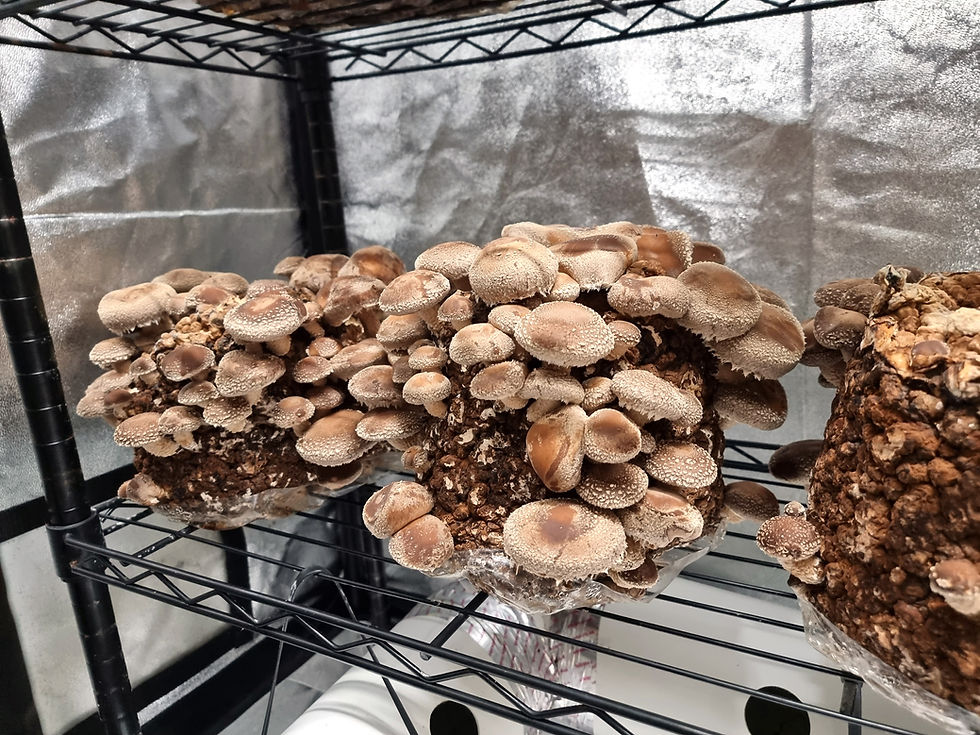
Once the substrate is fully colonised, it is moved into fruiting conditions. This typically involves increasing fresh air, adjusting humidity and introducing light.
These changes signal to the mycelium that it is time to produce mushrooms.
Fresh air is particularly important. High oxygen and low carbon dioxide levels encourage healthy growth and prevent issues such as long, thin stems.
Humidity must also be maintained to prevent the substrate from drying out. Growers usually mist regularly and continue doing so throughout the growing process, including after the first harvest.
Common Mistakes in Substrate Preparation
There are several common mistakes that can affect substrate quality.
One of the most frequent is incorrect moisture levels. If the substrate is too wet or too dry, it can limit mycelial growth and reduce yields.
Another issue is poor sterilisation or pasteurisation. Without proper treatment, contaminants can quickly take over, preventing mushrooms from growing.
Handling the substrate in an unclean environment can also introduce problems. Maintaining cleanliness throughout the process is essential for success.
Environmental conditions after preparation are equally important. Without enough fresh air or stable temperatures, even well-prepared substrate may not perform as expected.
Why Proper Substrate Preparation Matters
Good substrate preparation sets the foundation for the entire growing process.
When done correctly, it allows mycelium to colonise quickly and evenly, leading to stronger, healthier mushrooms. It also reduces the risk of contamination and improves overall consistency.
For commercial growers, this consistency is essential. For home growers, it makes the process more reliable and rewarding.
Why You Can Trust Us
Merit Mushrooms works directly with gourmet mushroom cultivation and understands the practical challenges involved in growing high-quality produce. From supplying fresh mushrooms to offering accessible growing kits, the focus is always on real-world results.

Comments